Basements and cellars are below ground and can face ground moisture, hydrostatic pressure, cool-surface condensation and drainage issues at the same time.
These are the features that most often change how moisture behaves in this type of property.
These are patterns to investigate, not automatic diagnoses.
Look for evidence that supports this route before choosing a treatment.
Look for evidence that supports this route before choosing a treatment.
Look for evidence that supports this route before choosing a treatment.
Work from the building toward the visible mark. That helps avoid treating the finish while missing the source.
Waterproofed habitable basements should be treated as systems; isolated patch repairs can redirect rather than solve water ingress.
Below-ground spaces need particular attention to waterproofing strategy, drainage, pumps and ventilation.
Identify whether the basement uses barrier tanking, a drained cavity system or no formal waterproofing before specifying repairs.
Property age is context, not a diagnosis. Match it with what you can see, where it is and when it worsens.
Property age and construction change the likely pathways, but they never replace symptom-led diagnosis.
Identify whether the basement uses barrier tanking, a drained cavity system or no formal waterproofing before specifying repairs
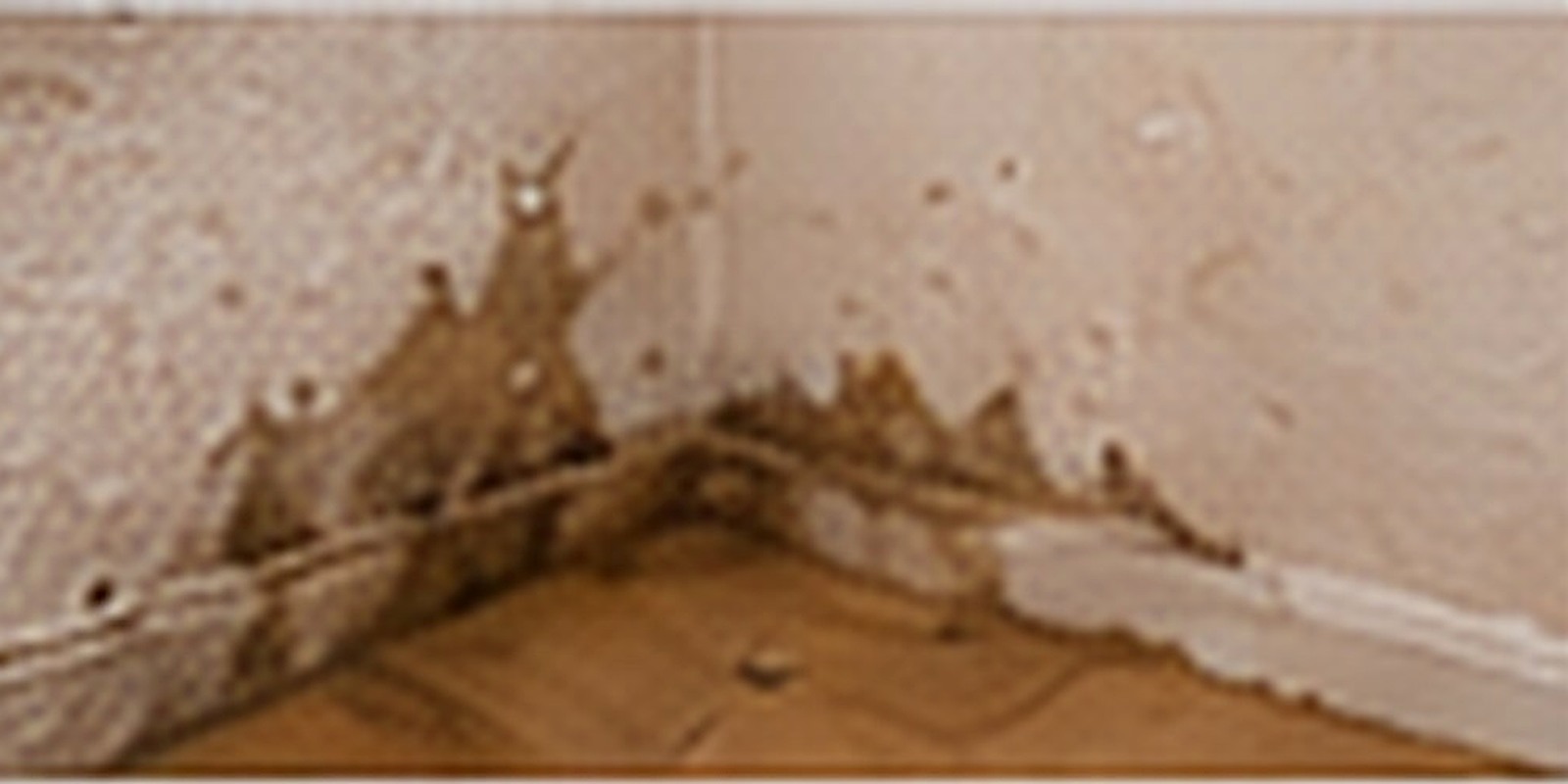 Check a roomBedroomsOvernight humidity, cold external walls and furniture can expose condensation patterns.Explore →
 Check a roomBathroomsHigh humidity peaks plus plumbing make timing especially useful.Explore →
 Check a roomLiving roomsExternal walls, chimneys and rain exposure can create mixed clues.Explore →
Only products that support the investigation or an appropriate fix are shown here. An active leak or building defect still needs repairing.
Contextual products can help you measure or control moisture, but they are not presented as cures for leaks or building defects.
DampDeck only surfaces products that make sense for this stage of the investigation. Products do not replace diagnosis or repair of an active leak.
DampDeck may earn commission from qualifying purchases or referrals.
Search by town or postcode for the specialist route that fits the likely moisture source.