
✓ Independent damp & condensation guidance ✓ Cause-before-treatment approach ◎ UK guidance · local help · useful products
Problem guide

Rising damp

Low-level moisture and salts can be consistent with rising damp, but similar patterns can have other causes. Diagnosis matters before treatment.

SignsChecksGuideNext stepsUseful products

What usually points toward rising damp?

Look for a combination of clues rather than relying on a single stain, smell or moisture-meter reading.

01Damage concentrated low on walls
02Salt deposits or crumbling plaster
03Skirting or finishes deteriorating near floor level

Checks worth making first

These checks help separate likely causes and reduce the risk of paying for the wrong treatment.

See investigation guides
1

Inspect external ground levels

Use this as evidence alongside location, timing, weather and room conditions.

2

Check drainage and bridging

Use this as evidence alongside location, timing, weather and room conditions.

3

Get an independent survey before DPC work

Use this as evidence alongside location, timing, weather and room conditions.

Rising damp: what to know

Answer first

Rising damp is a possible cause of persistent low-level masonry moisture, but it should not be diagnosed from a tide mark, salts or a handheld moisture-meter reading alone.

What to check first

  • Check external ground and paving levels against the damp-proof course where one exists.
  • Rule out leaking pipes, drains, gutters, rain splash, bridged cavities and wet plaster from another source.
  • Look at the height and distribution of damage and whether the pattern changes after rain.

What not to assume

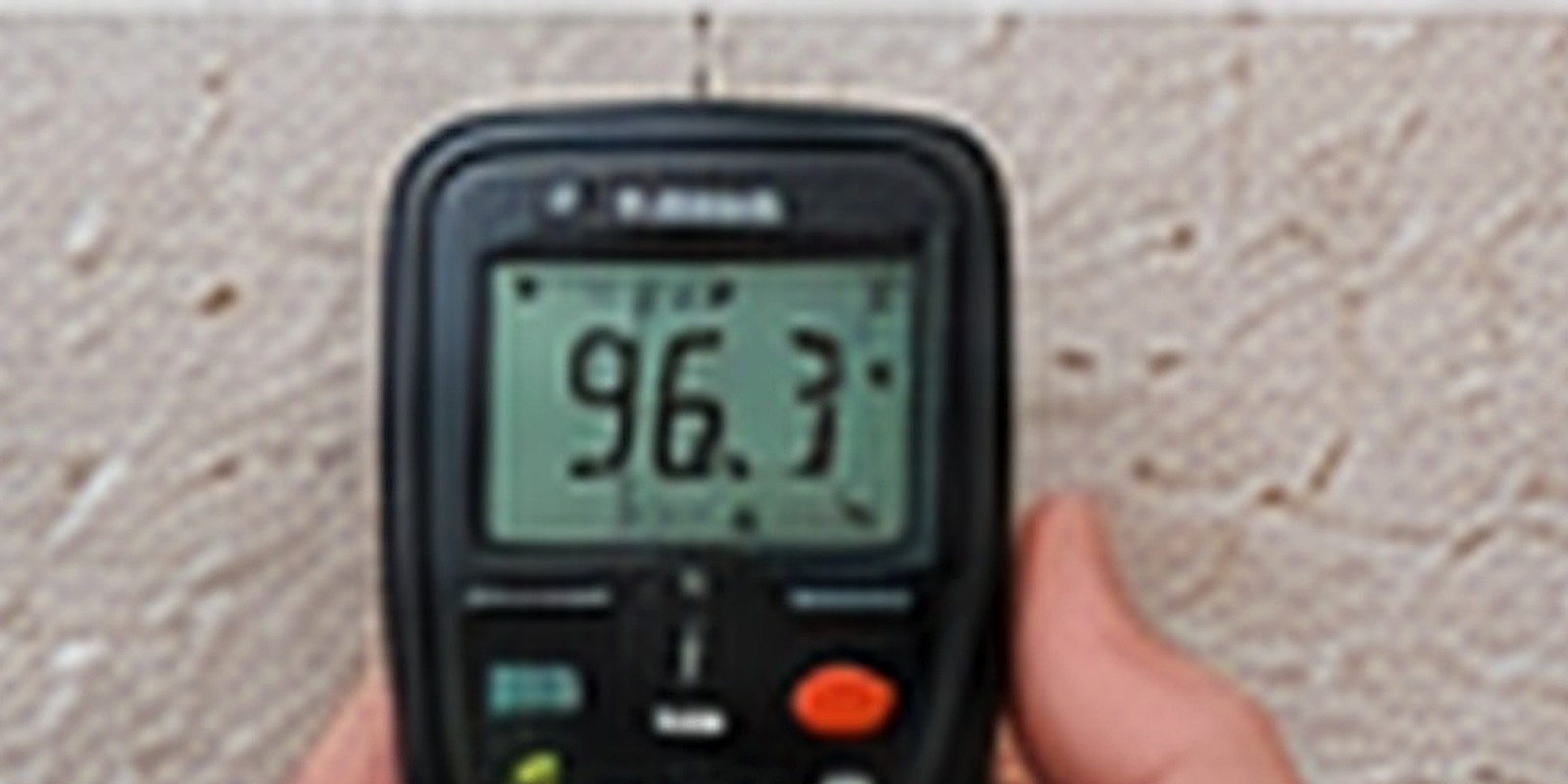
Do not pay for a new damp-proof course simply because a sales survey found a high meter reading at skirting level.

Sensible next step

Where the pattern remains unexplained, use a competent surveyor who can investigate the building and explain the evidence for the diagnosis.

Evidence & reviewDampDeck reviewed this guidance on 3 September 2026. UK government guidance says damp and mould should be addressed by identifying and correcting the underlying moisture cause; surface mould removal alone does not prevent recurrence.UK Government source →
Recognise the pattern

The clues that matter most

Use several clues together rather than treating one mark, smell or meter reading as proof.

1

Check external ground and paving levels against the damp-proof course where one exists.

2

Rule out leaking pipes, drains, gutters, rain splash, bridged cavities and wet plaster from another source.

3

Look at the height and distribution of damage and whether the pattern changes after rain.

Do not assume

Do not pay for a new damp-proof course simply because a sales survey found a high meter reading at skirting level.

Best next step

Where the pattern remains unexplained, use a competent surveyor who can investigate the building and explain the evidence for the diagnosis.

Compare the lookalikes

Could it be something else?

These routes help separate common causes that can create similar visible damage.

DampDeck Shopping Centre

Useful products for this stage

Only products that support the investigation or an appropriate fix are shown here. An active leak or building defect still needs repairing.
From symptom to sensible action

Products that may help you investigate or control the problem

Products should support diagnosis or moisture control — not replace repair of an active leak or building defect.

Open Shopping Centre
Relevant to Rising damp

Moisture meters

DampDeck only surfaces products that make sense for this stage of the investigation. Products do not replace diagnosis or repair of an active leak.

DampDeck may earn commission from qualifying purchases or referrals.

Need a professional?

Find the right specialist for the likely cause.

Search by town or postcode once you have narrowed the moisture source.

Find specialists