
✓ Independent damp & condensation guidance ✓ Cause-before-treatment approach ◎ UK guidance · local help · useful products
HomeGuidesDamp or condensation? How to tell the difference
DampDeck guide

Damp or condensation? How to tell the difference

Use surface pattern, temperature, timing and moisture sources to separate likely condensation from leaks or penetrating moisture.

Updated 6 Sep 2026Independent homeowner guidance
THE DAMPDECK RULEUse the evidence, not the label.

A stain, smell or patch is a clue. It is not a diagnosis by itself.

✓ Practical first checks◎ No treatment assumptions⌂ Home-specific context⌖ Professional help when useful

What this pattern can tell you

In brief

Use surface pattern, temperature, timing and moisture sources to separate likely condensation from leaks or penetrating moisture.

Why this matters

Moisture problems are easiest to solve when evidence is recorded before surfaces are covered, cleaned or replaced. Use DampDeck’s diagnostic route if the cause is still unclear.

Evidence & reviewDampDeck reviewed this guidance on 3 September 2026. UK government guidance says damp and mould should be addressed by identifying and correcting the underlying moisture cause; surface mould removal alone does not prevent recurrence.UK Government source →
Practical checklist

Turn the guide into useful evidence

1

Photograph the symptom before cleaning, covering or redecorating it.

2

Record where it is, how high it reaches and what is directly above/outside.

3

Note whether it changes with rain, showers, cooking, laundry, heating or overnight occupancy.

4

Fix obvious active water safely, but avoid expensive treatment until the source is understood.

Continue the diagnosis

Useful next routes

DampDeck Shopping Centre

Useful products for this stage

Only products that support the investigation or an appropriate fix are shown here. An active leak or building defect still needs repairing.
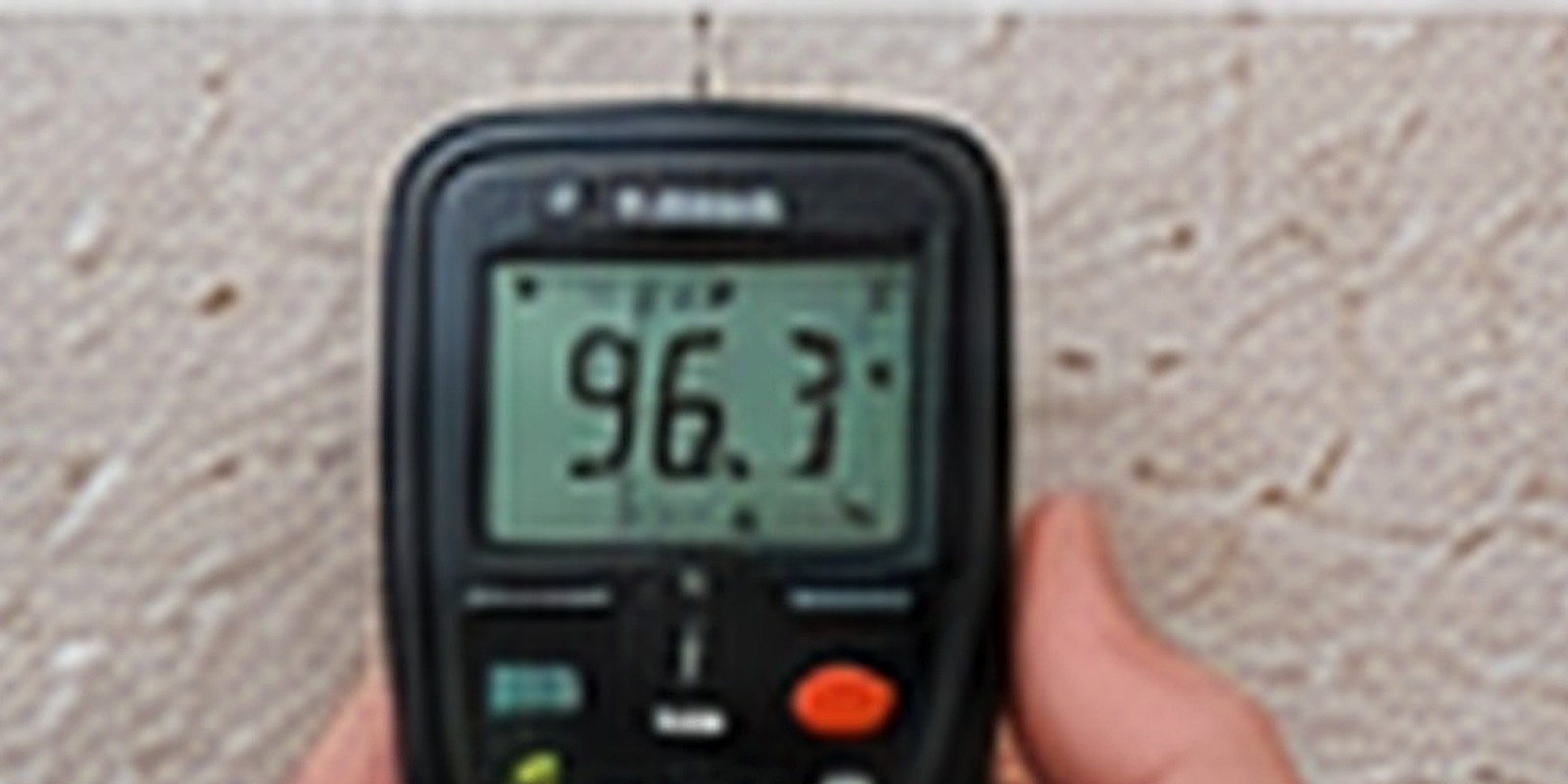
Turn the guide into a sensible plan.

01

Observe

Note where it appears, how high it is, whether it changes with weather and what happens in the room.

02

Check

Rule out the simple things first: leaks, blocked ventilation, external defects and obvious moisture sources.

03

Decide

Use the evidence to choose between monitoring, a targeted DIY step or professional investigation.