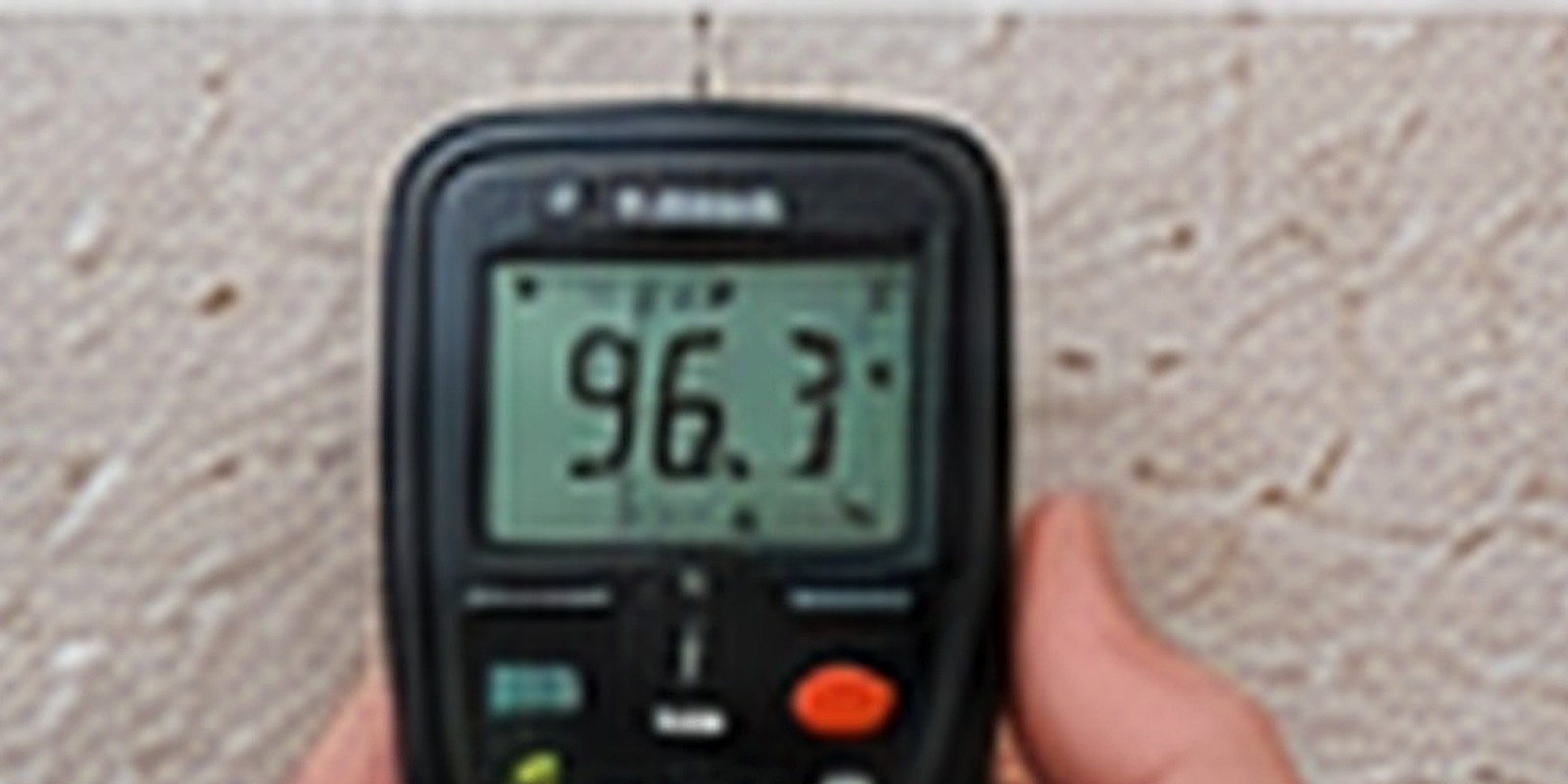
Cavity walls are designed to manage rain away from the inner leaf, but bridging, insulation defects and damaged external finishes can still transmit moisture.
These are the features that most often change how moisture behaves in this type of property.
These are patterns to investigate, not automatic diagnoses.
Look for evidence that supports this route before choosing a treatment.
Look for evidence that supports this route before choosing a treatment.
Look for evidence that supports this route before choosing a treatment.
Work from the building toward the visible mark. That helps avoid treating the finish while missing the source.
Do not assume every cavity-wall damp patch needs injection treatment; the defect may be higher up or outside the wall entirely.
Cavities are intended to reduce moisture transfer but can be compromised by debris, bridging, insulation defects or external leaks.
Check wall ties, insulation history, cavity trays/weep holes and local bridging where the internal pattern lines up with an external defect.
Property age is context, not a diagnosis. Match it with what you can see, where it is and when it worsens.
Property age and construction change the likely pathways, but they never replace symptom-led diagnosis.
Check wall ties, insulation history, cavity trays/weep holes and local bridging where the internal pattern lines up with an external defect
 Check a roomBedroomsOvernight humidity, cold external walls and furniture can expose condensation patterns.Explore →
 Check a roomBathroomsHigh humidity peaks plus plumbing make timing especially useful.Explore →
 Check a roomLiving roomsExternal walls, chimneys and rain exposure can create mixed clues.Explore →
Only products that support the investigation or an appropriate fix are shown here. An active leak or building defect still needs repairing.
Contextual products can help you measure or control moisture, but they are not presented as cures for leaks or building defects.
DampDeck only surfaces products that make sense for this stage of the investigation. Products do not replace diagnosis or repair of an active leak.
DampDeck may earn commission from qualifying purchases or referrals.
Search by town or postcode for the specialist route that fits the likely moisture source.