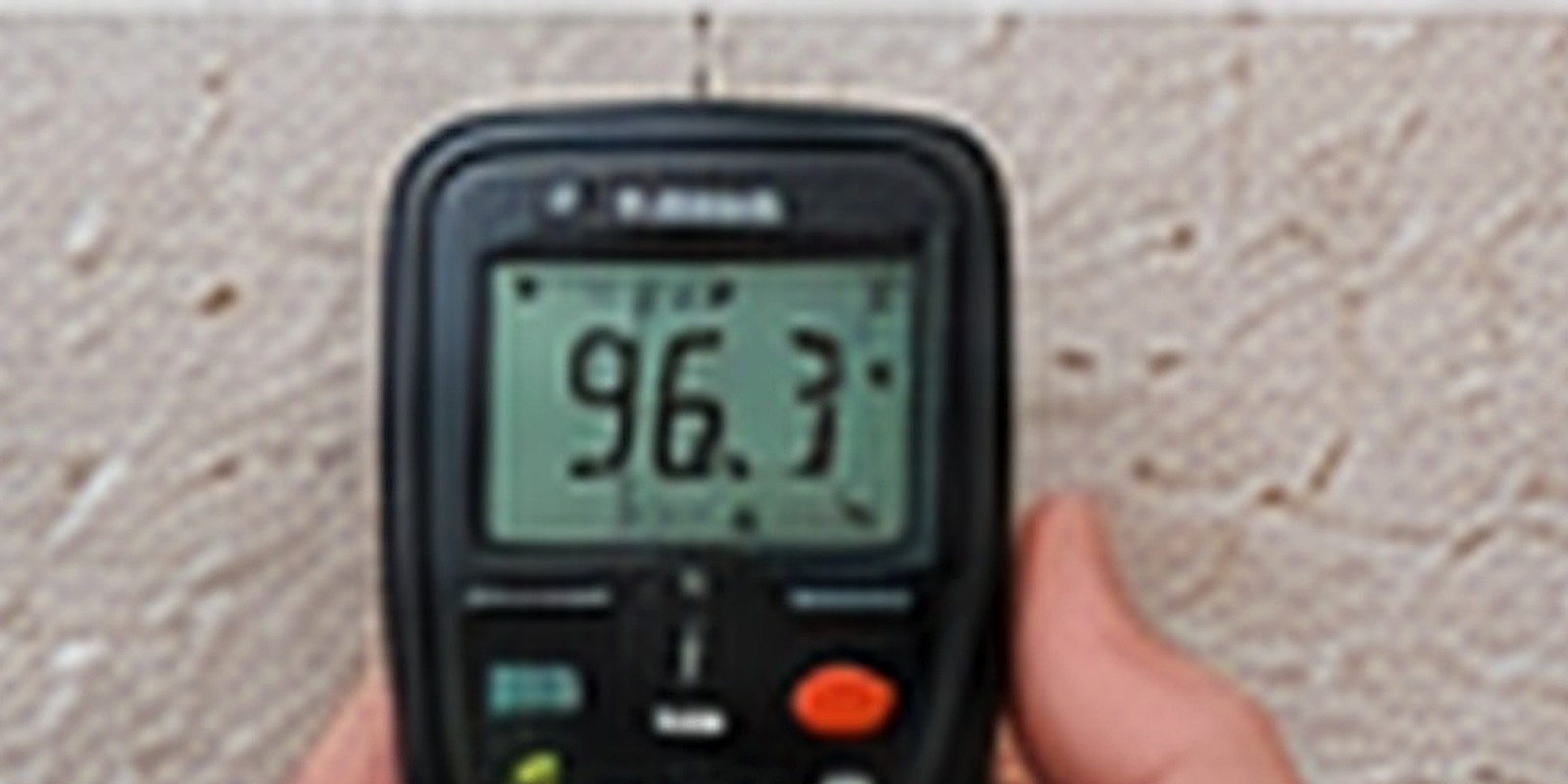
Rainwater penetration
Compare this possibility with weather, room use, height and any nearby services before acting.
A damp patch is a symptom rather than a diagnosis. Shape, height, weather response and nearby services help narrow the source.
Use several clues together. A single stain or reading rarely proves the cause.
The same visible symptom can have very different causes. Look for the clue that best fits timing and location.
Compare this possibility with weather, room use, height and any nearby services before acting.
Compare this possibility with weather, room use, height and any nearby services before acting.
Compare this possibility with weather, room use, height and any nearby services before acting.
A localised patch can come from rain ingress, plumbing, condensation on a cold spot or moisture within the wall.
The same visible symptom can come from different moisture sources. Use timing, position and nearby building/plumbing details to narrow it down.
What is directly above/outside it?
Does it change after rain?
Is there nearby plumbing?
The symptom tells you where to look. Timing and building context help identify why it is happening.
 Possible causeCondensation & humidityMore likely when the surface is cold and the pattern is seasonal.Explore →
 Possible causeRain penetrationMore likely when the patch changes during or after wet weather.Explore →
 Possible causePlumbing leakMore likely around water services or where the weather makes no difference.Explore →
Only products that support the investigation or an appropriate fix are shown here. An active leak or building defect still needs repairing.
Products can help measure, ventilate, dry or clean. They should not be presented as a substitute for fixing an active leak or building defect.
DampDeck only surfaces products that make sense for this stage of the investigation. Products do not replace diagnosis or repair of an active leak.
DampDeck may earn commission from qualifying purchases or referrals.
Search locally by town or postcode instead of choosing a treatment from the symptom alone.