Dry rot: what to know
Suspected dry rot deserves professional identification because treatment can be disruptive and visual lookalikes exist. Moisture control remains central to remediation.
What to check first
- Look for the wider moisture defect that allowed timber to remain damp.
- Avoid relying on one photograph or colour description for identification.
- If structural timber is affected, restrict disturbance until the extent is understood.
What not to assume
Do not specify wholesale chemical treatment or removal based only on an uncertain visual diagnosis.
Sensible next step
Use an appropriately experienced timber/building specialist to confirm the organism, extent and moisture source before deciding remedial scope.
The clues that matter most
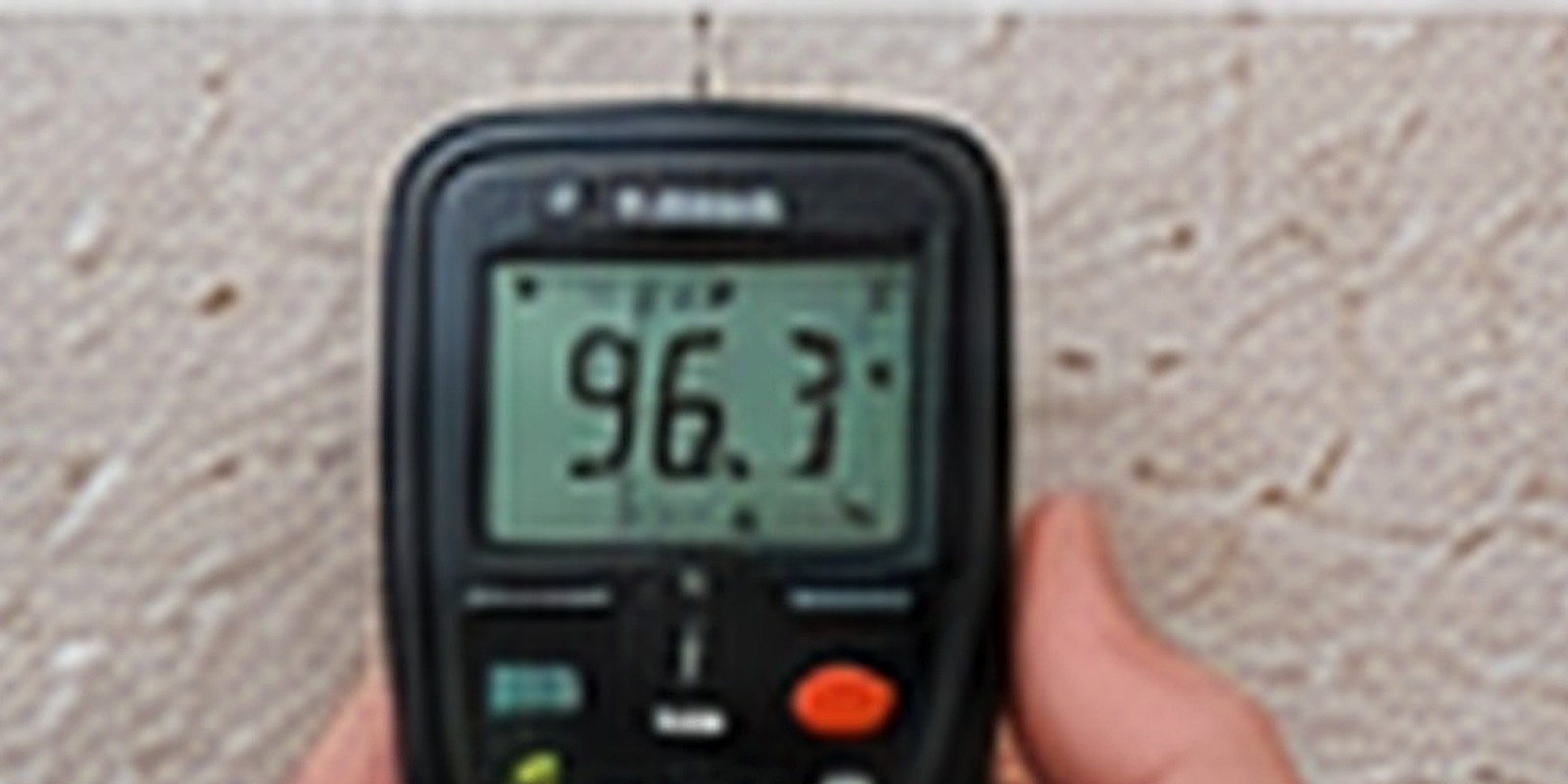
Use several clues together rather than treating one mark, smell or meter reading as proof.
Look for the wider moisture defect that allowed timber to remain damp.
Avoid relying on one photograph or colour description for identification.
If structural timber is affected, restrict disturbance until the extent is understood.
Do not specify wholesale chemical treatment or removal based only on an uncertain visual diagnosis.
Use an appropriately experienced timber/building specialist to confirm the organism, extent and moisture source before deciding remedial scope.
Could it be something else?
These routes help separate common causes that can create similar visible damage.


Useful products for this stage
Only products that support the investigation or an appropriate fix are shown here. An active leak or building defect still needs repairing.