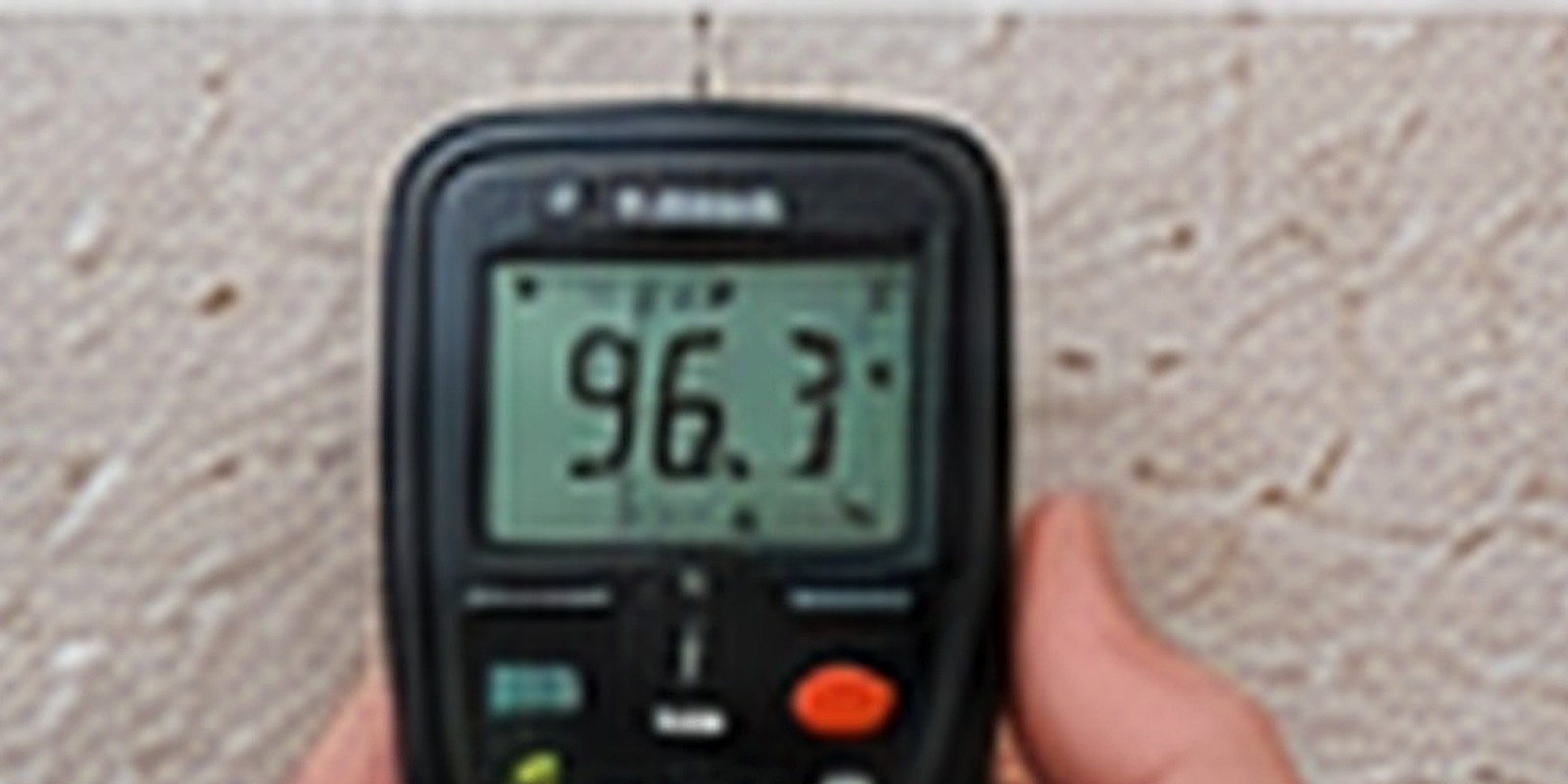
Wet rot: what to know
Wet rot occurs where timber stays damp for long enough to decay. Finding and stopping the moisture source is more important than treating the visible timber alone.
What to check first
- Look for roof, plumbing, gutter or ground-moisture sources near affected timber.
- Check whether the timber is structurally weakened rather than judging by colour alone.
- Inspect concealed adjacent timber if the moisture source has been longstanding.
What not to assume
Do not assume every dark or soft timber is dry rot; different decay and insect problems can look similar.
Sensible next step
Stop the moisture source and have structurally significant decay assessed before repair or replacement.
The clues that matter most
Use several clues together rather than treating one mark, smell or meter reading as proof.
Look for roof, plumbing, gutter or ground-moisture sources near affected timber.
Check whether the timber is structurally weakened rather than judging by colour alone.
Inspect concealed adjacent timber if the moisture source has been longstanding.
Do not assume every dark or soft timber is dry rot; different decay and insect problems can look similar.
Stop the moisture source and have structurally significant decay assessed before repair or replacement.
Could it be something else?
These routes help separate common causes that can create similar visible damage.


Useful products for this stage
Only products that support the investigation or an appropriate fix are shown here. An active leak or building defect still needs repairing.